An alarm activation is never just an inconvenience. It could be a false alarm, a fault, an attempted break-in, a fire-related issue or an unknown situation that has not yet been assessed.
Asking a member of staff to attend alone may feel practical, especially out of hours, but it can create avoidable risk. A safer approach is to use a controlled key holding and alarm response process that protects people first.
Alarm activations are unpredictable
The main problem with an alarm activation is uncertainty. Until someone has arrived, checked the site and understood what triggered the alarm, nobody can be sure what they are walking into.
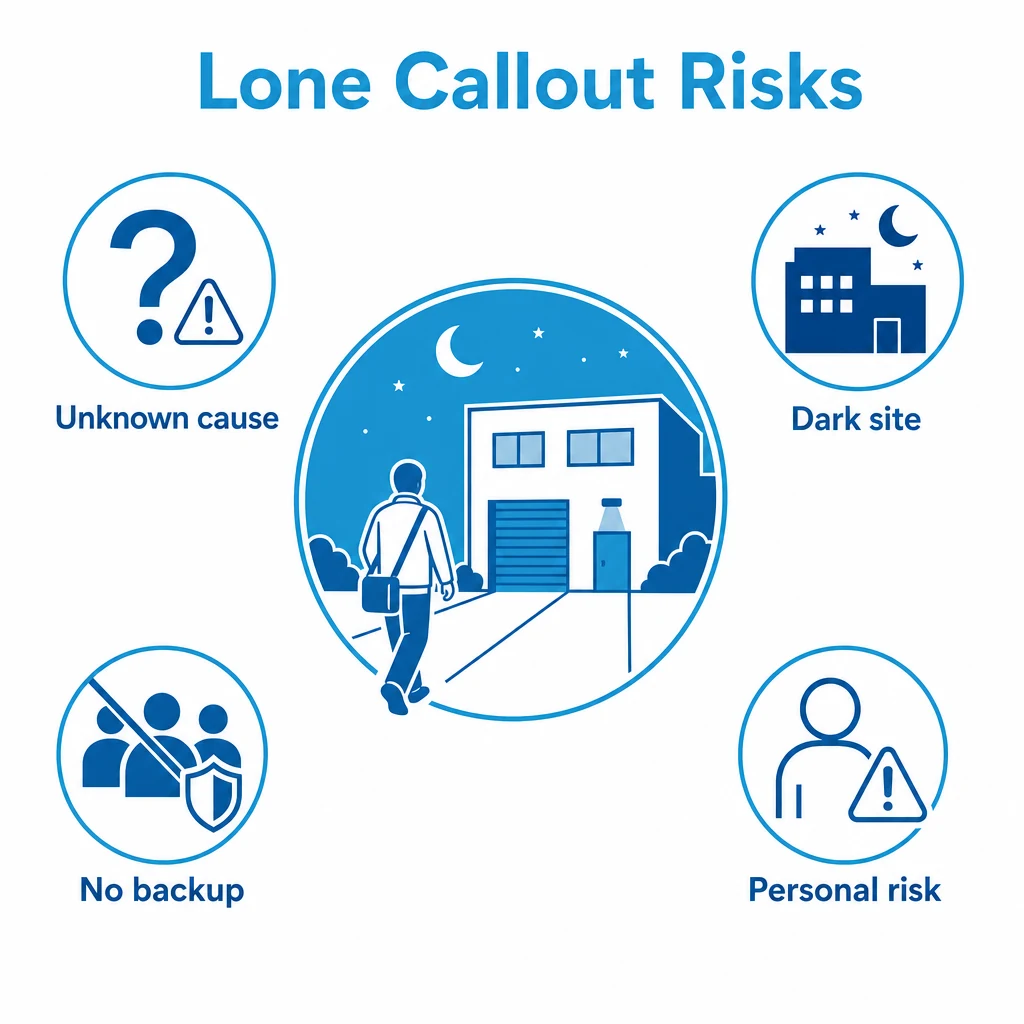
A lone employee may arrive in poor visibility, at an unusual time, with limited information and no immediate support. They may find signs of forced entry, people nearby, damage, flooding, smoke, a power issue or simply an unsecured door. Even if the activation turns out to be accidental, the person attending has still had to make safety-critical decisions alone.
There is also the emotional pressure. Staff may feel responsible for protecting the premises, stock, equipment or service users. That pressure can lead to rushed decisions, such as entering too quickly, confronting someone, or failing to wait for help.
The risks of employee-led callouts
Employee-led alarm callouts can blur the line between normal job duties and security response. Most employees are not trained to assess risk at a potentially compromised site, manage a confrontation or coordinate escalation with emergency services.
Common risks include lone working, fatigue, driving at unsociable hours, entering dark buildings, dealing with aggressive behaviour and being unsure whether to reset an alarm or leave it active. There can also be practical problems, such as the wrong key holder being unavailable, keys being misplaced, or staff not knowing the correct entry and exit procedure.
Employers also need to consider duty of care. A clear, documented process helps avoid putting pressure on individuals to attend when they do not feel safe or are not properly equipped to do so.
How professional key holding and alarm response helps
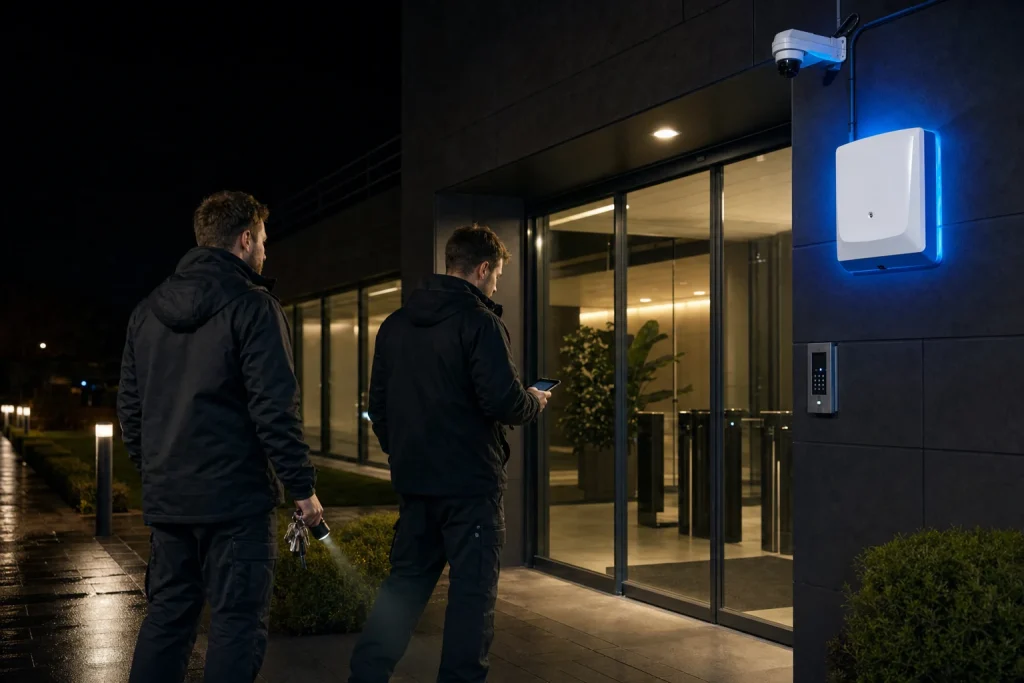
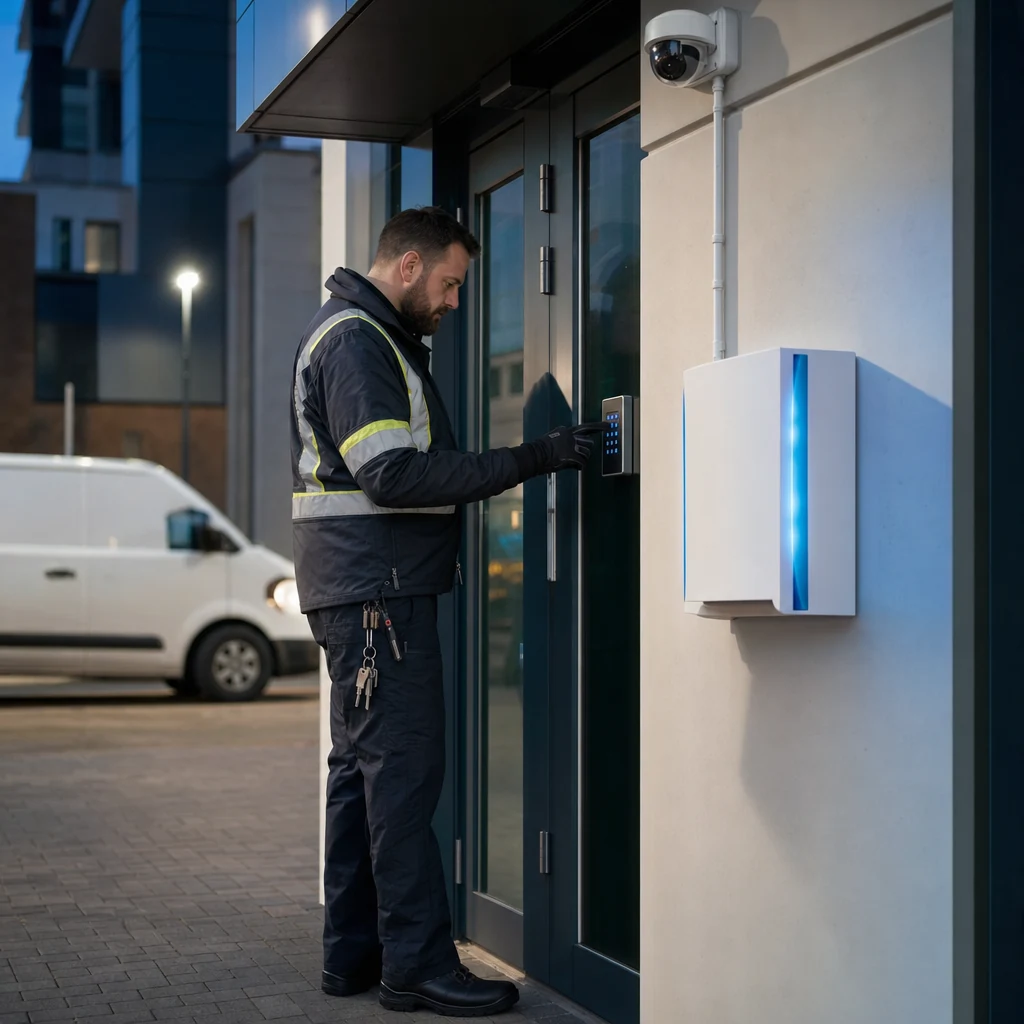
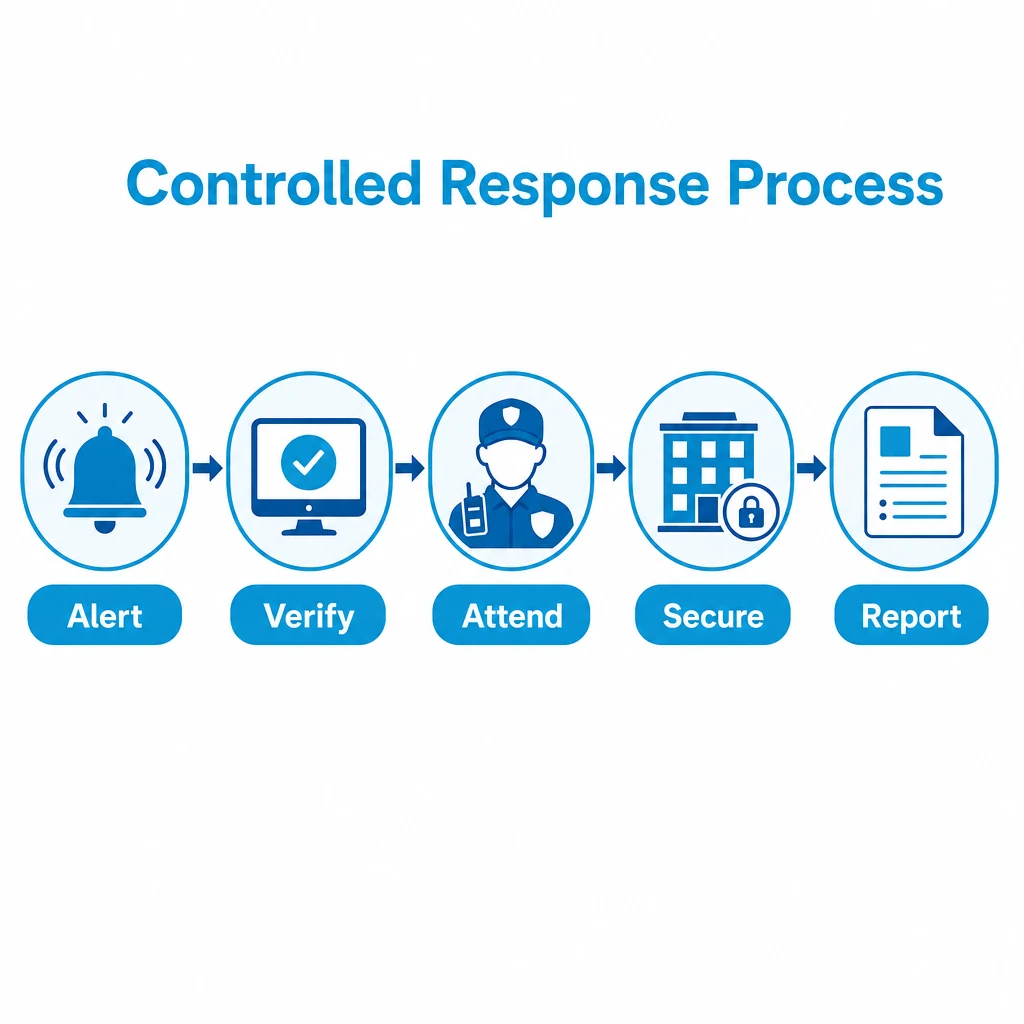
Professional key holding and alarm response gives businesses a safer escalation route when an alarm activates. Instead of an employee travelling to site alone, trained responders can attend, access the premises securely and follow agreed instructions.
The aim is not simply to unlock a door. A good response process includes checking the external condition of the building, looking for obvious signs of damage or forced entry, liaising with the alarm receiving centre where relevant, escalating concerns and securing the premises after attendance.
This also keeps business owners and managers better informed. Rather than relying on a stressed employee to make decisions in the moment, the response follows a planned procedure designed around safety, security and continuity.
A controlled process protects people and property
A reliable alarm response plan should make it clear who is contacted, who attends, what information is needed and when further help should be requested. This removes guesswork at the point when people are most likely to be under pressure.
Useful procedures often include:
- Keeping keys securely held and clearly identified.
- Confirming the type of alarm activation before attendance where possible.
- Checking the outside of the premises before entering.
- Not entering if there are signs of danger or criminal activity.
- Recording attendance details and any action taken.
- Updating the nominated contact once the site is secure.
When this process is agreed in advance, staff know they are not expected to take unnecessary risks. That reassurance is valuable for managers, employees and anyone responsible for out-of-hours cover.
The role of connected security systems
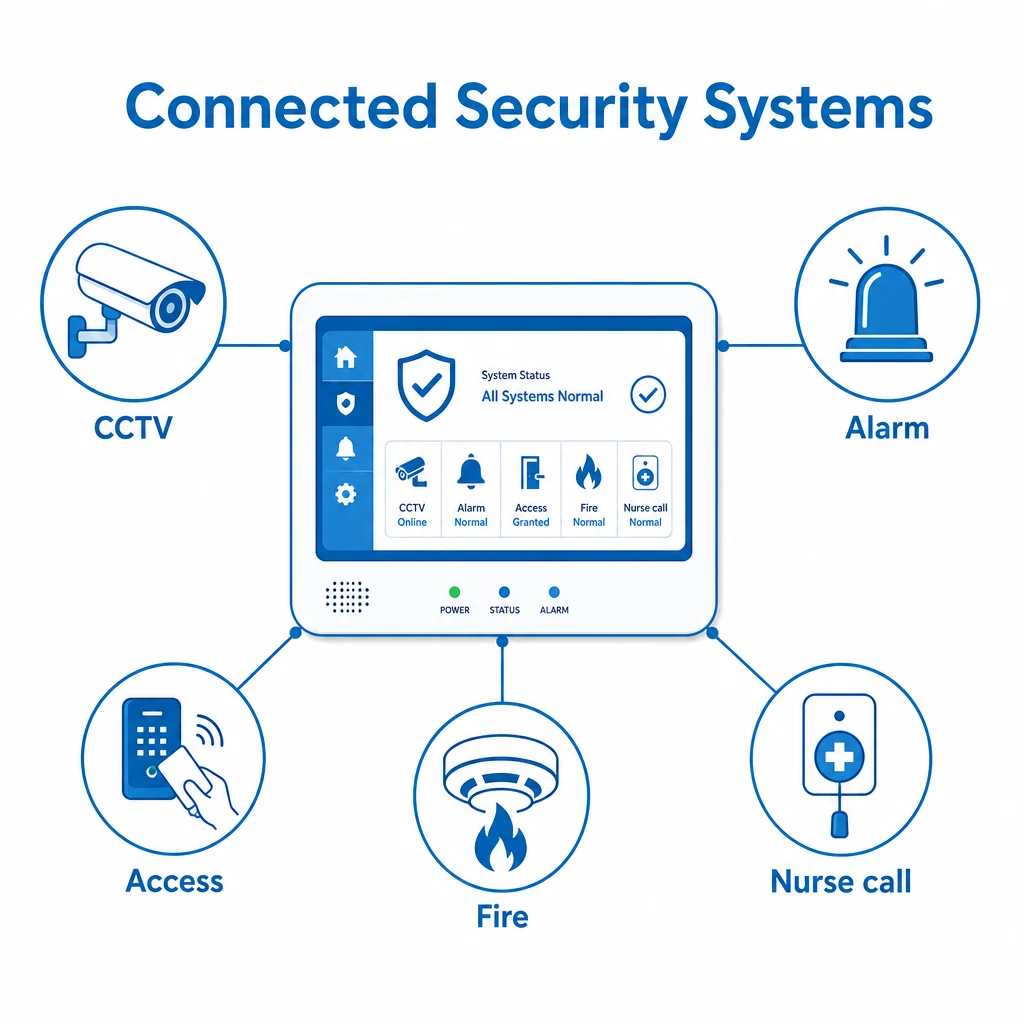
Alarm response works best when the wider security system supports clear decision-making. For example, well-positioned CCTV systems can help provide context around an activation, while effective access control can limit unauthorised movement through the building.
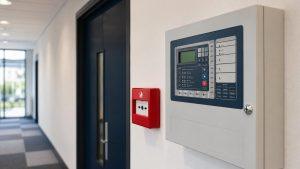
Fire safety systems are also part of the bigger picture. If an activation may relate to smoke, heat or a building safety issue, responders need to treat it differently from a simple intruder alarm. Professionally maintained fire alarm systems support earlier detection and clearer escalation.
Neat installation, accurate zoning and clear labelling all matter. When equipment is easy to understand, responders can identify the affected area more quickly and make safer choices on site.
What businesses should review now
If employees currently attend activations, it is worth reviewing the arrangement before the next callout happens. Start by asking whether the process is written down, whether staff are comfortable with it and whether anyone is expected to attend alone.
Businesses should also check who holds keys, how key holder details are updated, what happens if the first contact is unavailable and how incidents are recorded afterwards. If several people have informal access, it may be time to tighten the process.
The safest plans are simple, understood and repeatable. They put people first, protect the premises and make it clear when to escalate rather than improvise.
- Alarm activations are unpredictable, even when they later prove to be false alarms.
- Sending employees alone can expose them to lone working, confrontation and poor decision-making under pressure.
- Professional key holding and alarm response provides a planned, safer route for out-of-hours incidents.
- CCTV, access control and fire alarm systems can all support better response decisions.
- A written escalation procedure helps protect staff, property and business continuity.
Frequently asked questions
Should an employee ever attend an alarm activation alone?
It is safer to avoid lone attendance wherever possible. If a site may be unsecured or the cause is unknown, a trained response service and a clear escalation process provide better protection.
What does a key holding service do?
A key holding service securely holds authorised keys and can attend when an alarm activates. Responders follow agreed procedures, check the premises, escalate concerns and secure the site.
Is alarm response only useful for large businesses?
No. Any organisation with premises, equipment, stock, staff or service users can benefit from a safer out-of-hours response plan, regardless of size.
How can we reduce unnecessary alarm callouts?
Regular maintenance, clear user training, accurate alarm zoning and suitable CCTV or access control can all help reduce avoidable activations and make genuine incidents easier to assess.
Need a safer alarm response plan?
Serpro Group can help you review your current arrangements and put a clear, professional key holding and alarm response process in place.