Choosing a CCTV service provider is not just about picking cameras. The right partner should understand risk, design a practical system, install it neatly and support it properly after handover.
For commercial sites, that matters because CCTV has to do more than record footage. It should deter unwanted activity, help staff respond with confidence, support investigations and fit smoothly around daily operations.
Start with a proper site survey
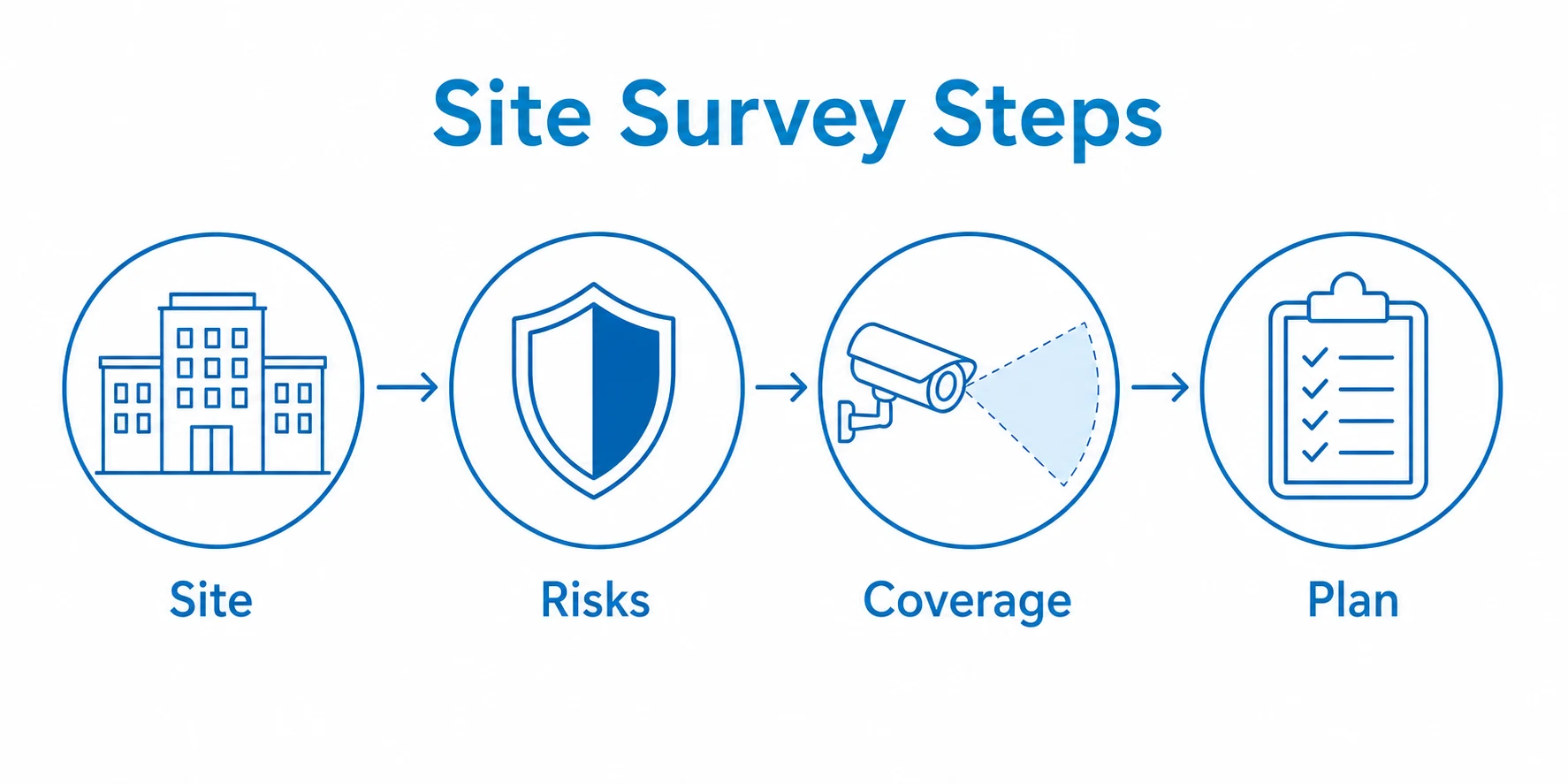
A capable CCTV service provider should begin with a detailed survey rather than a quick quote based on camera numbers. Every commercial site has different risks, sightlines, lighting conditions, access points and operational routines. A provider needs to understand these before recommending equipment.
A useful survey should look at entrances, exits, loading areas, reception points, storage zones, car parks, service yards, plant rooms and any public facing areas. It should also consider where people naturally move, where incidents are most likely to happen and where cameras could create blind spots if positioned poorly.
Ask how the provider decides camera locations. Good answers will mention coverage, image clarity, field of view, lighting, cable routes, recording needs and how footage will be used. Vague answers such as simply placing cameras where they are easiest to fit are a warning sign.
The survey should also cover practical details. These include whether existing cabling can be reused, whether network capacity is suitable, where recording equipment will be housed, who needs access to footage and whether the system should link with other security measures. If your site has changing layouts, restricted areas or regular contractor access, that should be part of the discussion too.
A professional survey does not have to be overcomplicated, but it should give you confidence that the recommendation is based on your premises, not a generic package.
Check installation quality, not just equipment brands
Camera specification is important, but installation quality often decides whether a CCTV system performs well in daily use. Even good equipment can produce poor results if it is mounted in the wrong place, aimed badly, installed with untidy cabling or configured without care.
When assessing providers, ask how they manage installation standards. You want to know that cameras will be securely fixed, cables will be routed neatly, equipment will be protected where needed and disruption to the site will be managed sensibly. Commercial sites often need work planned around staff, visitors, deliveries or opening hours, so organisation matters.
Image quality should be judged in real conditions, not just from a product datasheet. A provider should think about glare, low light performance, movement, distance and whether the footage will be clear enough for the intended purpose. For example, a camera used to monitor general activity has different requirements from one used to identify faces, vehicles or specific entry events.
It is also worth asking how the system will be configured. Recording schedules, user permissions, remote access, notifications and storage settings all affect how useful the system becomes. A rushed handover can leave managers with cameras that technically work, but are awkward to use when an incident happens.
Serpro Group explains its approach to professional commercial CCTV services for organisations that need planned installation, reliable equipment and ongoing support.
Decide whether you need monitoring as well as recording
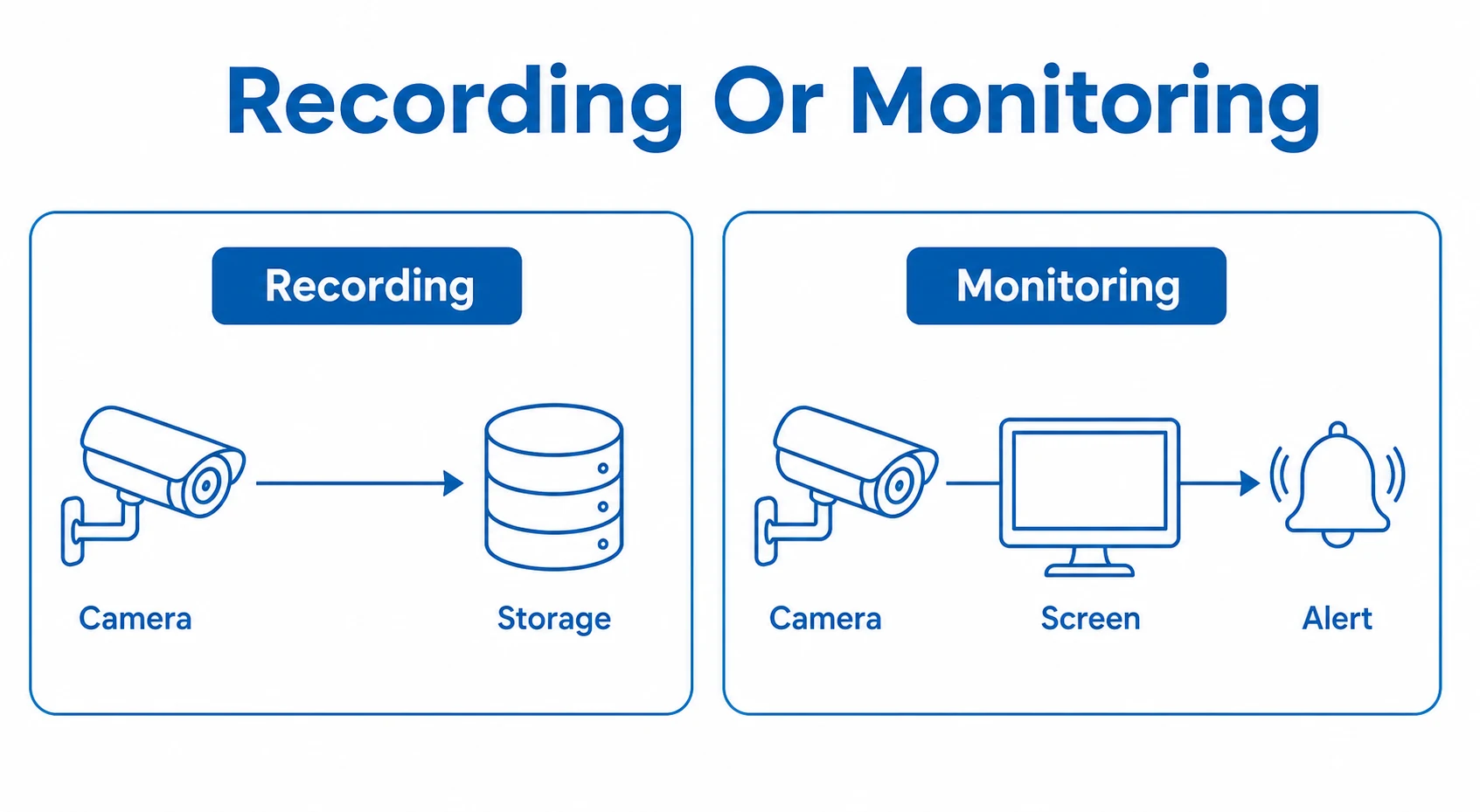
Some businesses only need recorded footage for review after an incident. Others need live alerts, remote checks or a monitored response. A good CCTV service provider should help you decide which level of support is appropriate, rather than pushing one option for every site.
Remote monitoring can be valuable where a site is unoccupied for long periods, has valuable stock, has vulnerable access points or experiences repeated out of hours activity. It can allow trained operators to assess alerts and take agreed action. This may include contacting keyholders, escalating to nominated staff or following a response procedure.
The key question is how monitoring will work in practice. Ask what triggers an alert, who reviews it, what happens if it is a false alarm and how escalation is handled. You should also ask whether monitoring procedures are documented clearly, so everyone understands what will happen when an alert is received.
CCTV can also work alongside other systems. For example, video verification can help support alarm response by giving more context about what is happening. If you are also reviewing alarm protection, Serpro Group has a useful guide to intruder alarm monitoring for commercial premises.
The right monitoring setup should feel practical and proportionate. It should reduce uncertainty, not create noise. A provider who asks careful questions about your operating hours, staffing levels and incident history is more likely to recommend something that fits.
Think about fixed sites, temporary premises and site towers
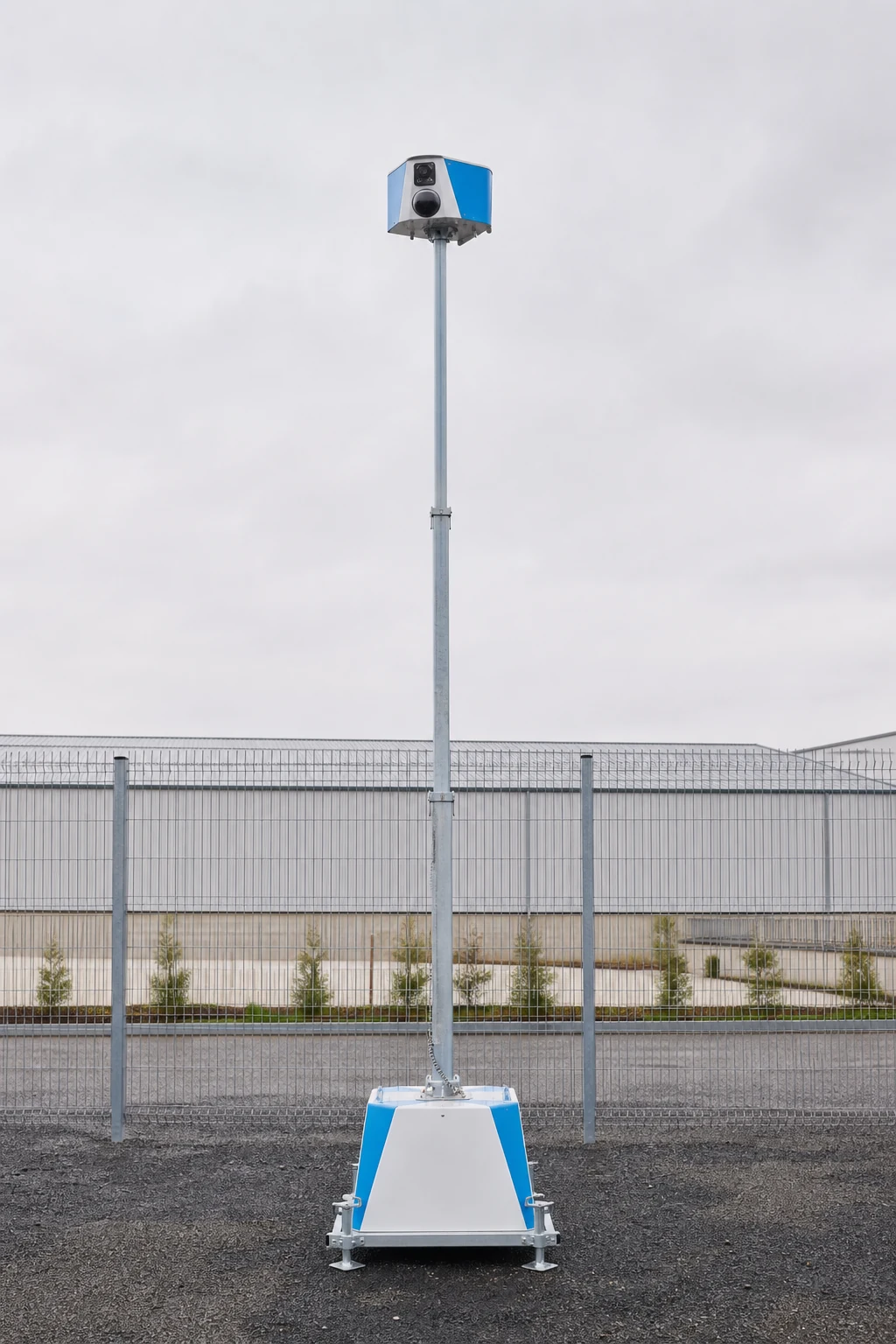
Not every commercial CCTV need is permanent. Some organisations need a fixed system for an office, warehouse, retail unit, care setting or industrial premises. Others need temporary coverage for a changing site, vacant property, refurbishment project or short term operational need.
A suitable provider should be comfortable explaining the differences. Fixed CCTV systems are usually designed around permanent cabling, building layouts, recording equipment and controlled user access. They are often best where the site has stable operations and clearly defined areas to monitor.
Temporary CCTV systems and site towers can be useful where power, data connections or site layouts are still changing. They can support visibility while permanent systems are not yet practical, or provide coverage for a defined period. The important point is that temporary does not mean casual. Placement, monitoring, maintenance and escalation still need proper planning.
Ask how the provider assesses temporary coverage. They should consider power supply, connectivity, camera height, repositioning needs, weather exposure, access for maintenance and how alerts will be handled. If the site changes regularly, the system may need scheduled reviews so it continues to cover the right areas.
You should also ask how a temporary system could transition into a permanent solution if your needs change. A provider with broader CCTV expertise will usually be better placed to advise on both options without forcing a poor fit.
Look for joined up security thinking
CCTV is most effective when it forms part of a wider security plan. Cameras can deter, detect and record, but they should also support how the premises is managed day to day. That means the provider should understand how CCTV interacts with access control, alarms, staff procedures and incident response.
For example, cameras at an entrance may be more useful when considered alongside door access permissions. Cameras near restricted areas may support staff checks and audit trails. Footage from alarm events may help decision making when a callout is needed. These links do not always require complex integration, but they do require joined up thinking.
If your premises uses controlled doors, visitor access or staff only areas, it may be worth reviewing access control systems at the same time as CCTV. This can help ensure the system supports both visibility and control.
A good provider should also talk clearly about privacy and responsible use. Commercial CCTV should be designed with appropriate signage, access permissions, retention periods and management controls. The aim is to protect people and property while keeping footage handling professional.
Joined up thinking also matters for future changes. Your organisation may add new areas, change opening hours, adjust staffing or need additional monitoring. A provider should design with enough flexibility to adapt where sensible.
Ask about maintenance, support and handover
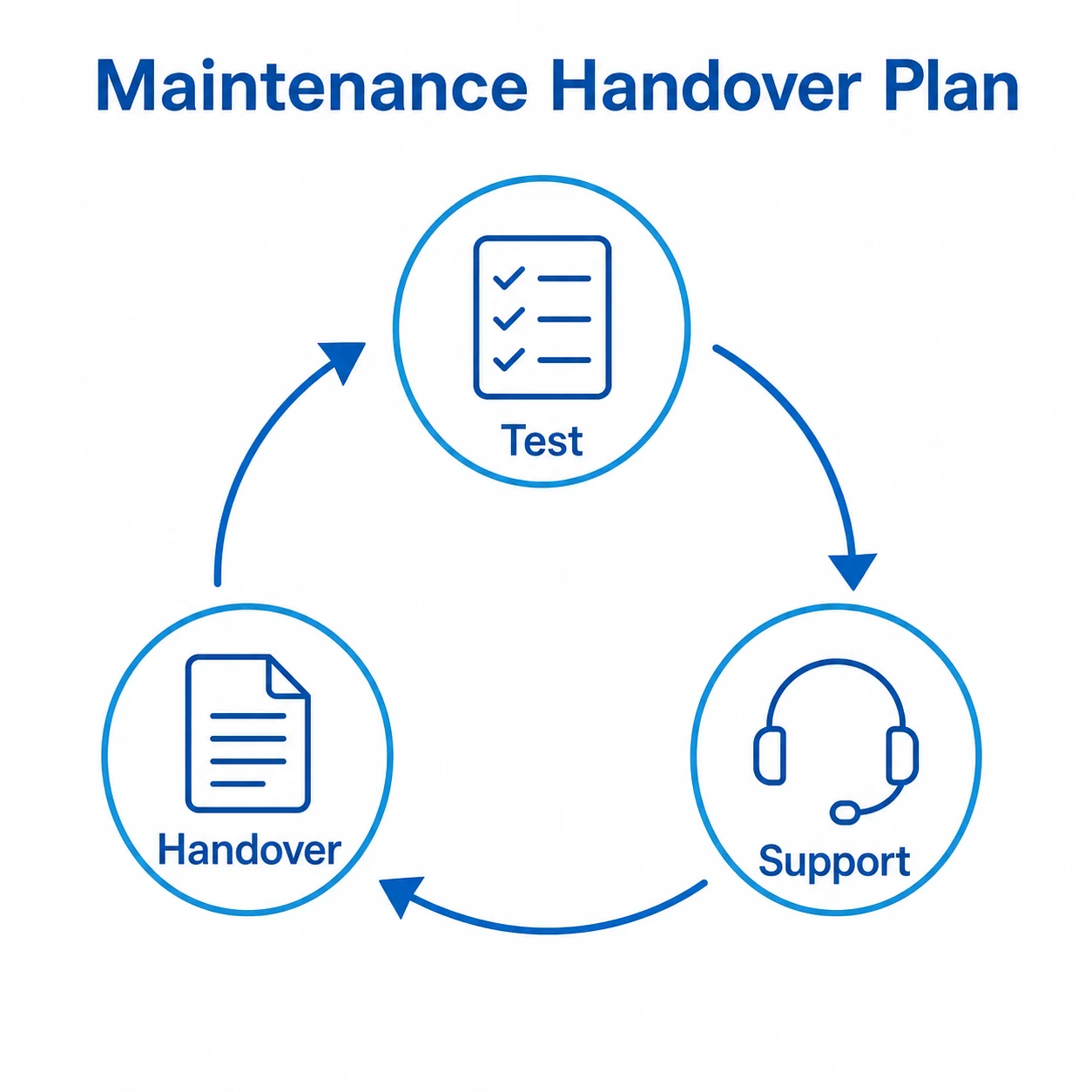
The relationship with a CCTV service provider should not end once the cameras are installed. Commercial systems need maintenance, updates, occasional adjustments and prompt support when something stops working as expected.
Before choosing a provider, ask what is included after installation. Useful questions include how often the system should be checked, what a maintenance visit covers, how faults are reported, how quickly support is usually available and whether remote diagnostics are possible. You should also ask whether the provider checks camera views, recording status, storage health and user access as part of ongoing support.
Handover is just as important. Staff should know how to view live footage, search recordings, export evidence, manage access permissions and report issues. The provider should explain the system in plain language and leave you with enough information to operate it confidently.
It is also sensible to ask how changes are handled. Commercial sites rarely stay exactly the same. Racking moves, entrances change, new risks appear and older cameras may need upgrading. A strong provider will be able to revisit the system and advise on improvements without treating every change as a new project from scratch.
Maintenance gives you confidence that the system remains useful when you need it. It also helps avoid the common problem of discovering a camera, recorder or connection issue only after an incident has taken place.
- A good CCTV service provider should start with a detailed survey of risks, layout and practical site needs.
- Installation quality matters as much as equipment choice, including camera placement, cabling, configuration and handover.
- Remote monitoring may be useful where sites are empty, exposed or need agreed response procedures outside normal staffing hours.
- Temporary CCTV and site towers still need careful planning, especially around coverage, power, connectivity and maintenance.
- Ongoing support helps keep the system reliable as the premises, staff routines and risks change.
Frequently asked questions
What should I ask a CCTV service provider before getting a quote?
Ask how they carry out a site survey, how they choose camera positions, what recording and monitoring options are available, how installation will be managed and what support is provided after handover.
Is remote CCTV monitoring always necessary?
Not always. Some sites only need recorded footage, while others benefit from live monitoring and agreed escalation. The right choice depends on risk, operating hours, staffing and how quickly incidents need to be assessed.
Can CCTV be used for temporary commercial premises?
Yes. Temporary CCTV systems and site towers can support changing or short term premises, provided the provider plans coverage, connectivity, power, maintenance access and response procedures properly.
How often should a commercial CCTV system be maintained?
Maintenance frequency depends on the site and system, but regular checks are important. Cameras, recording equipment, storage, remote access and user permissions should all be reviewed so the system remains dependable.
Need help choosing the right CCTV approach?
Serpro Group can assess your premises, explain the options clearly and recommend a CCTV setup that suits how your site actually operates.