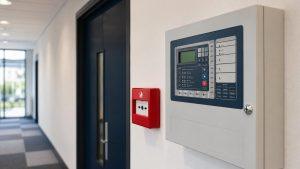

Access control is often thought of as a way to decide who can enter a building, room or restricted area. That is true, but the records created by the system can be just as valuable as the lock on the door.
Audit trails give managers a clearer picture of movement around a workplace. They show when entry was requested, which credential was used and where permissions may need to be reviewed. Used well, they turn everyday access activity into practical security insight.
What an access control audit trail actually records
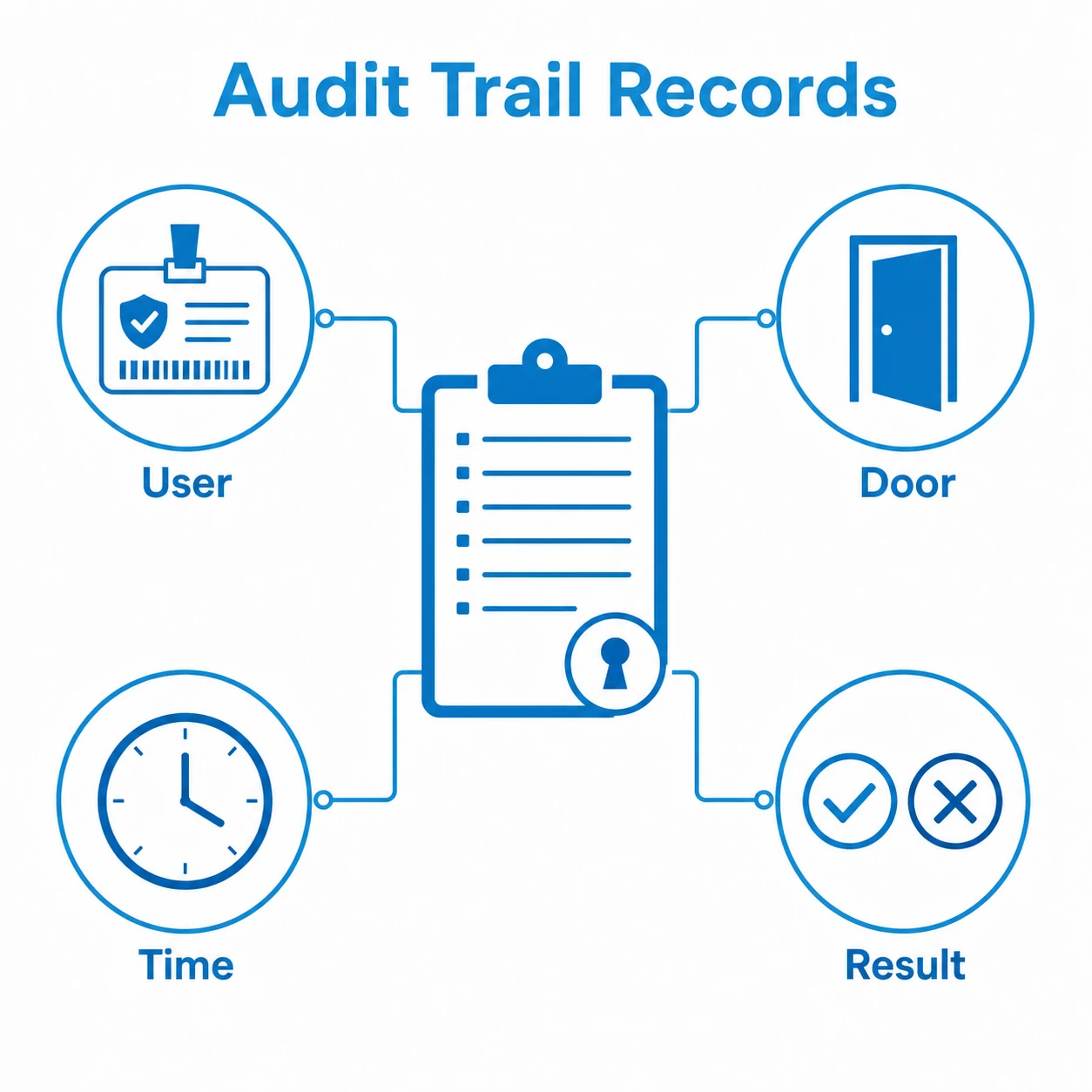
An access control audit trail is a log of activity created by an access control system. The exact detail depends on the equipment and software in use, but it will usually record the credential used, the time of the event, the door or entry point involved and whether access was granted or refused.
That means the system is doing more than opening doors. It is building a record of how the site is being used. A manager may be able to see when staff arrived, when a contractor entered a plant room, or when someone attempted to use a card at a door they were not authorised to open.
This matters because security decisions are stronger when they are based on evidence. Without an audit trail, a concern about access can quickly become guesswork. With one, managers can review the sequence of events and decide what action is needed.
For organisations reviewing their wider entry arrangements, Serpro Group explains the core options on its access control systems page, including smart card, fob, mobile and biometric access. This post focuses specifically on the value of the activity records those systems can create.
Why logged entry activity helps after an incident
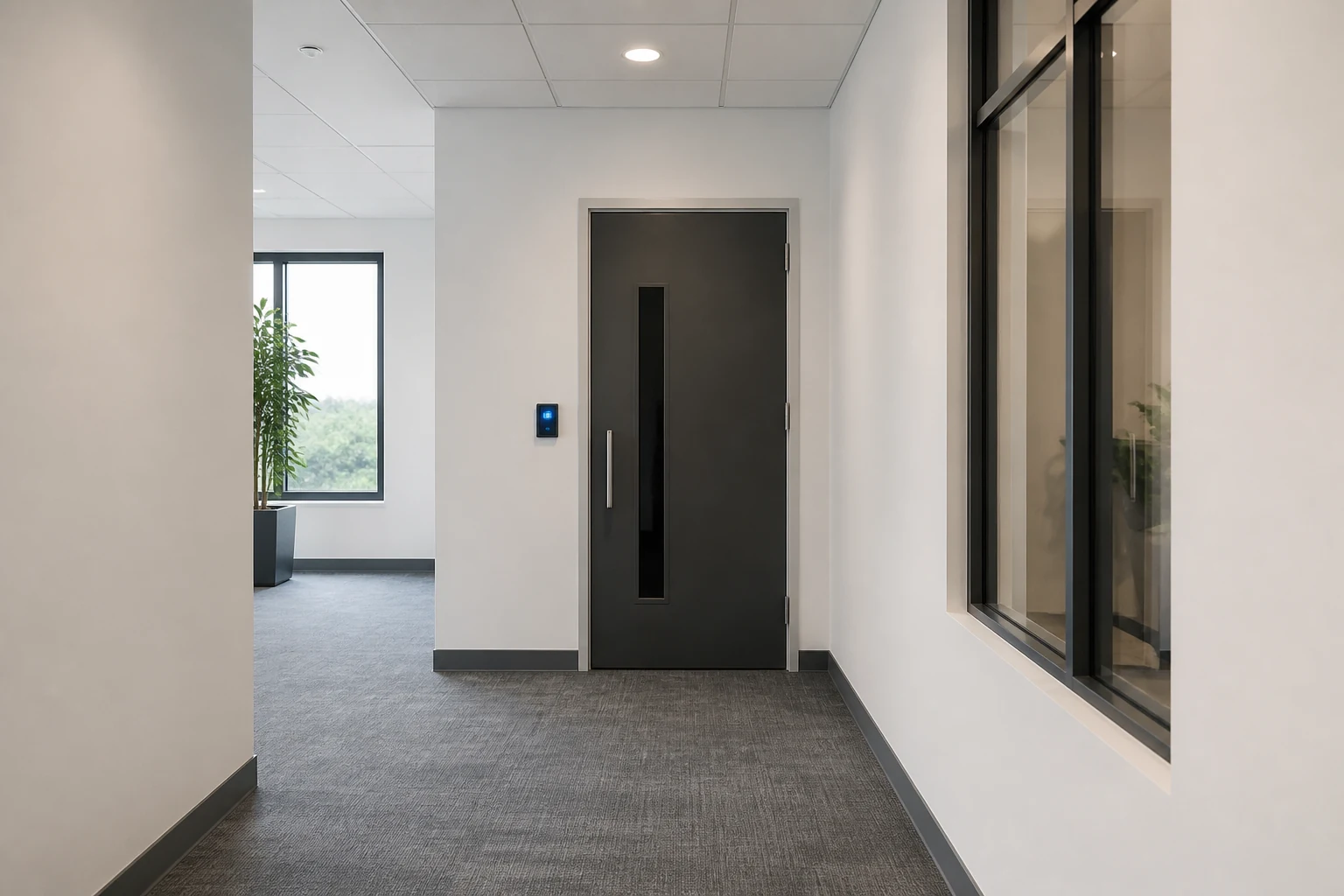
When an incident happens, time matters. Managers need to understand what occurred, who may have been nearby and whether a door, gate or restricted room was accessed before or after the event. Audit trails help narrow the picture.
For example, if equipment goes missing from a storage area, the access log can show which credentials were used at that door during the relevant period. If an alarm is triggered outside normal working patterns, the log can help confirm whether an authorised person entered shortly before it happened. If a visitor is reported in the wrong area, the records can help show whether permissions, escort procedures or door settings need attention.
An audit trail does not replace good management or proper investigation. It gives the investigation a better starting point. Instead of relying only on memory, sign in books or assumptions, managers can compare access events with other information, such as staff rotas, visitor records or CCTV footage.
This is where integration can become useful. Access logs and camera footage answer different questions. The access system can show that a credential was used. CCTV can help confirm what happened around that moment. Businesses considering how these layers work together may also find guidance on choosing a CCTV service provider for commercial sites useful when reviewing their wider security setup.
Using audit trails to control permissions more effectively
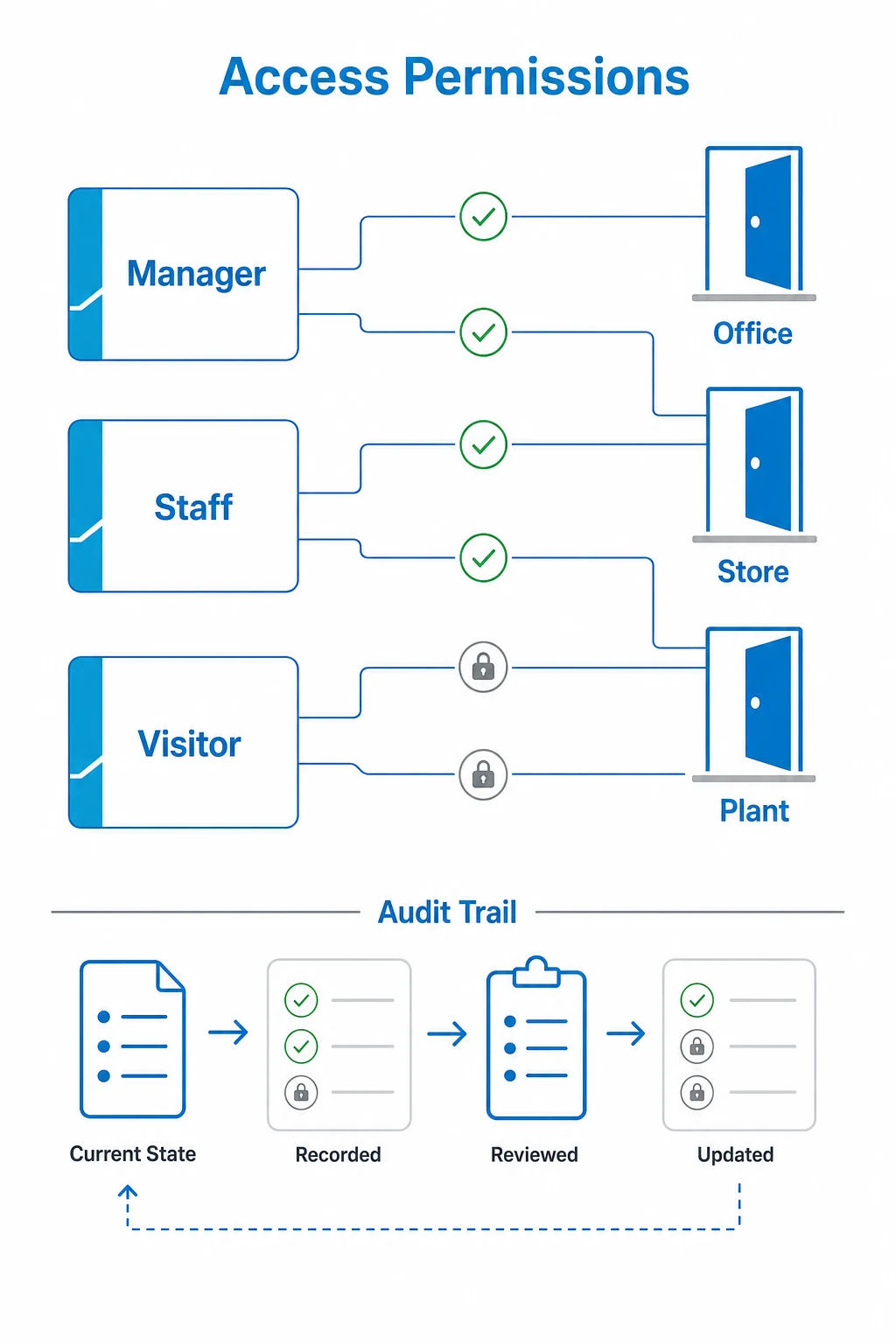
Access permissions are not something to set once and forget. Teams change, roles evolve, contractors come and go, and areas of a building may become more sensitive over time. Audit trails help managers spot where permissions no longer match real operational needs.
If a staff member regularly attempts to access an area they should not need, that may indicate a training issue, a process issue or an incorrectly assigned permission group. If a door is barely used, the business may decide to review who needs access at all. If a contractor credential is still active after the work is complete, the log can highlight the need for tighter offboarding.
Good access control is not about making movement difficult for authorised people. It is about making permissions clear, proportionate and current. The best systems support everyday work while reducing unnecessary exposure.
Audit trails are especially helpful when managers need to review access by role. A finance office, medicine room, stock room, records area, server cupboard or staff only entrance may each need a different permission profile. Logs help confirm whether those profiles are working in practice.
Biometric access can also form part of this discussion where it is suitable for the setting. Serpro Group has a separate guide on biometric access control and workplace security, which explains how identity based entry can support accountability when designed and managed carefully.
How audit trails support accountability without creating friction
One of the practical strengths of access control audit trails is that they operate quietly in the background. Staff do not need to fill out extra forms each time they enter an authorised area. Managers do not need to rely on manual lists for routine movement. The system creates the record as part of normal use.
That record can support a culture of accountability. People are more likely to follow access procedures when they understand that entry activity is logged and reviewed where appropriate. This does not need to feel heavy handed. It can simply be part of a clear workplace security policy.
Clear communication helps. Staff should know why access logs exist, how they support safety and security, and who is allowed to review them. Access data should be treated responsibly because it relates to people and their movements. A sensible approach includes appropriate retention periods, restricted administrator access and regular checks that user permissions remain accurate.
Audit trails can also protect staff. If a person is wrongly assumed to have been in a restricted area, the access record may help clarify the situation. If a door was forced or held open, the system may show that a credential was not used in the expected way. Accountability works best when records are accurate, controlled and interpreted fairly.
Turning access data into better security decisions
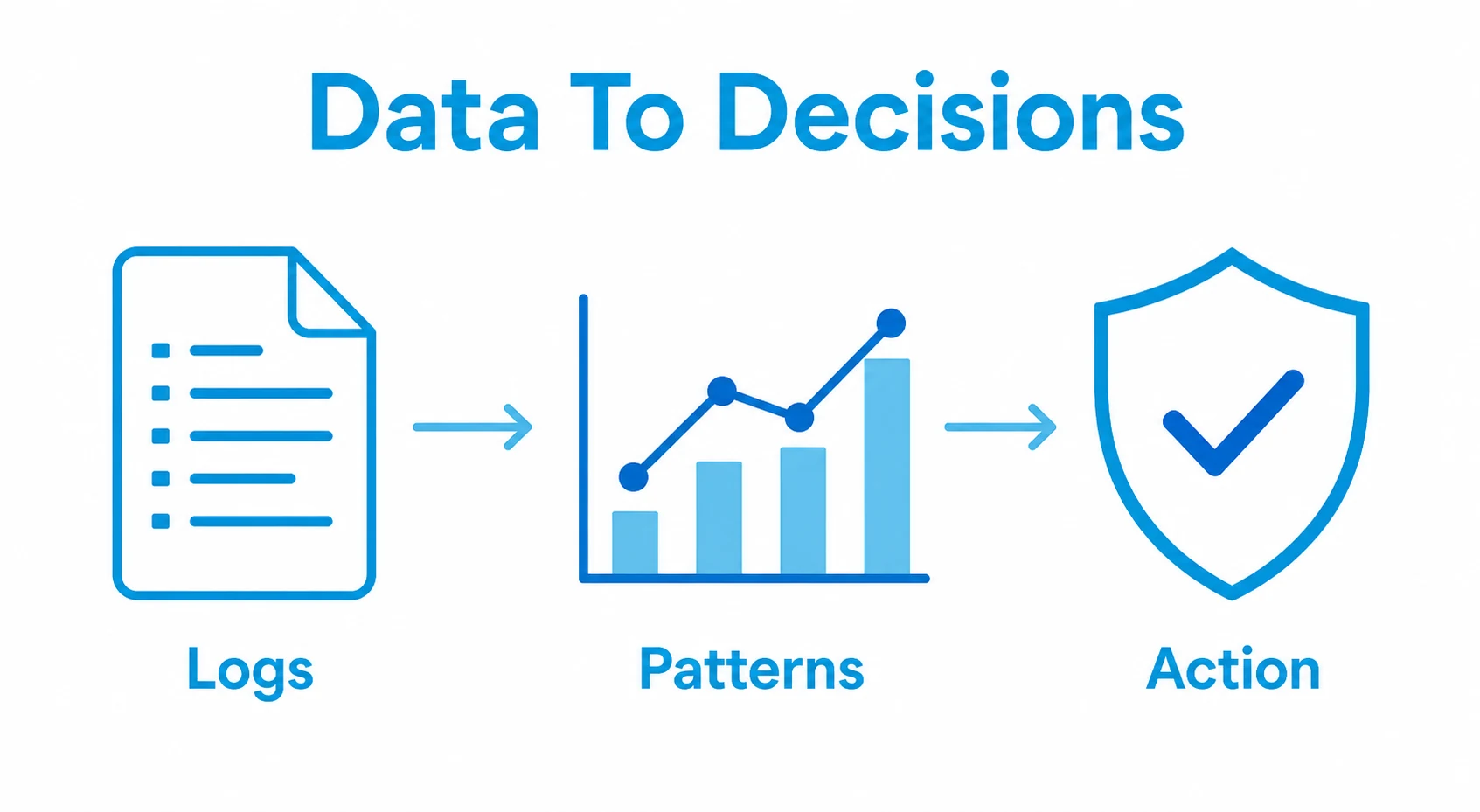
The most useful audit trails are not only reviewed after something goes wrong. They can also help managers improve security before problems develop.
Regular log reviews may reveal patterns that deserve attention. These can include repeated denied access attempts, doors used outside normal patterns, credentials shared between people, or access rights that are broader than needed. Each pattern gives managers a chance to adjust procedures, permissions or training.
Useful review questions include:
- Are any credentials still active for people who no longer need access?
- Are sensitive areas limited to the right roles?
- Are denied access attempts clustered around certain doors or times?
- Are visitor and contractor permissions being removed promptly?
- Do access records support the organisation’s current security policy?
The goal is not to monitor for the sake of monitoring. The goal is to make confident, proportionate decisions. A clean audit trail can justify why a door needs stronger control, why a permission group should change, or why a process is already working well.
For larger or more complex sites, access control may sit alongside intruder alarms, CCTV, visitor procedures and managed response. Serpro Group’s wider security services can help organisations think about how these layers work together rather than treating each system in isolation.
What to look for in an audit trail friendly system
If audit trails are important to your organisation, it is worth considering them from the start of an access control project. A system should be practical for daily management, not just technically capable of recording data.
Look for software that makes it easy to search by person, door, time period and event type. Managers should be able to identify granted access, refused access and unusual events without needing specialist knowledge. Reports should be clear enough to support internal reviews, incident investigations and permission audits.
It is also worth thinking about administrator control. Not every manager needs full access to every setting. A good setup can give relevant people the visibility they need while protecting sensitive configuration and records.
Scalability matters too. A business may start with a few controlled doors and later extend access control to more areas. A well planned system should allow permissions, user groups and reporting to grow with the organisation.
Finally, the quality of installation and configuration matters. The audit trail is only useful if doors, readers, credentials and user records are set up properly. Clear naming, neat user groups and consistent processes make the logs much easier to trust when they are needed.
- Access control audit trails show who requested entry, when it happened, where it happened and whether access was granted or refused.
- Logged activity helps managers investigate incidents with evidence rather than relying only on memory or manual records.
- Regular reviews can reveal outdated permissions, unusual patterns and areas where procedures need tightening.
- Audit trails are most useful when access data is accurate, responsibly managed and easy for authorised managers to search.
Frequently asked questions
What is an access control audit trail?
It is a record of access activity created by an access control system. It usually shows the credential used, the time of the event, the entry point involved and whether access was granted or refused.
Can audit trails help with incident investigations?
Yes. They can help managers understand which credentials were used around the time of an incident and compare that activity with other information, such as rotas, visitor records or CCTV footage.
How often should access permissions be reviewed?
Permissions should be reviewed whenever staff roles change, contractors finish work, sensitive areas change use, or after any access related incident. Many organisations also benefit from scheduled reviews.
Do audit trails replace other security measures?
No. Audit trails are one part of a wider security approach. They work best alongside clear procedures, well managed permissions, suitable alarms and CCTV where appropriate.
Review your access control records with confidence
If you want clearer oversight of who can enter your premises and how access activity is recorded, Serpro Group can help you plan a practical access control setup around your site, people and security priorities.